- New/Used Building Materials Parts
- sku: 1547495781108681
- RAYCHEM GELCAP4
GELCAP4 RAYCHEM Insulating Splice Cover Stub Connection
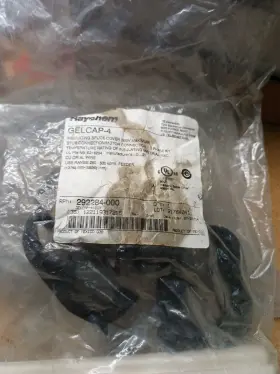
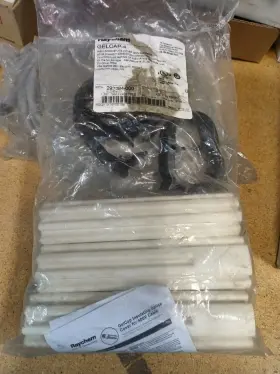
| Brand | RAYCHEM |
|---|---|
| Manufacturer Part Number | GELCAP4 |
| Model | GELCAP-4 |
| Part Type | COVER |
| Color | WHITE |
| Other | 292284-000 |
Review RAYCHEM Lot Of Insulating Splice Cover Stub Connection
The Raychem Gelcap-4 insulating splice cover stub connection is an electrical component designed for use in power distribution systems, specifically in applications where insulation is required between splice stubs and the surrounding environment. This product is manufactured by Raychem, a leading provider of electrical and electronic solutions.
The Gelcap-4 is a compact, self-contained unit that is easier to install and maintain compared to traditional insulating methods. The cover is made of a high-performance, thermosetting gel material that provides excellent electrical insulation and mechanical protection. The gel material is resistant to moisture, oil, and other environmental contaminants, making it ideal for use in harsh industrial conditions.
The Raychem Gelcap-4 comes in a nylon case that securely holds the gel material in place during installation and usage. The cover has a one-piece, tapered design that tightly fits over the splice stubs, even those that are irregularly shaped or narrow. Once the gelcap is in place, a slight compression of the cover ensures a uniform seal, minimizing the possibility of moisture intrusion.
This product is available in various sizes, offering flexibility in terms of application. The Gelcap-4 is suitable for use in both aerial and buried power distribution systems, providing excellent insulation in both above-ground and underground applications. The self-healing properties of the gel material make it resilient to damage caused by punctures or cuts, ensuring continued insulation and reliability even when exposed to potentially harmful electrical currents.
In summary, the Raychem Gelcap-4 insulating splice cover stub connection is a robust, reliable, and efficient solution for insulating stub connections in power distribution systems. Its unique design provides superior insulation, mechanical protection, and moisture resistance, making it an essential component for the safe and efficient operation of electrical power equipment.
Pros and Cons of Using Raychem Gelcap-4 Insulating Splice Covers for Stub Connections
1. Overview:Raychem Gelcap-4 insulating splice covers are used to provide protection and insulation for stub connections in electrical and telecommunications applications. Let's discuss the pros and cons of using these products for such connections.
2. Pros:- Excellent insulation: These covers provide a high degree of insulation, helping prevent electrical shorts and contacts, ensuring the safety of installers and users.
- Ability to withstand harsh environments: Gelcap-4 covers are designed to be resilient, withstanding extreme temperatures, moisture, and ultraviolet radiation.
- Space-saving design: The caps are compact and can be used in confined spaces, making them suitable for various installation scenarios.
- Easy application: The covers come pre-filled with the insulating gel and are cable-tie suitable, allowing for quick and efficient installation.
3. Cons:- Cost: Gelcap-4 covers can be more expensive compared to traditional insulation methods, such as using tape and shrink tubing.
- Limited compatibility: The covers might not be suitable for all cable sizes and types. Verify compatibility before making a purchase.
- Potential for contents leaking: Rare cases of the gel leaking have been reported during installation, leading to potential messes and wasted materials.
4. Conclusion:Raychem Gelcap-4 insulating splice covers provide numerous advantages when used for stub connections, including excellent insulation, long-lasting durability, and time-saving features. However, their higher cost and limited compatibility are aspects that need to be considered before making a purchase. If the advantages outweigh the disadvantages in your specific application, the Gelcap-4 covers may prove to be an excellent investment.
5. Recommendation:Before making a final decision, fully assess the requirements for your specific installation project, including the harshness of the surrounding environment, available budget, and cable sizes. By weighing the pros and cons carefully, you will be equipped to make an informed decision and ensure the optimal choice for your project.
Details:
specifications buildymat:
- brand: Raychem
- mpn: Gelcap4
- model: Gelcap-4
- part type: Cover
- color: White
- other: 292284-000
returns buildymat:
- policy: no returns
offer buildymat:
- sold #: 25
- options: ship-to-home
- availability: in stock
- prices: $19.95–$40.00
- item condition:
- New
- New – Open box
- best offers: true
- in stock #: 5
- started: november 22, 2024
payments buildymat:
- wallet: google-pay
- credit card: diners-club
- other
shipping buildymat:
- service: usps ground advantage
- type: calculated
- carrier: usps
- transit: 5-13 days
- class: standard
seller buildymat:
- # reviews: 784
- rating: 100.0%
- city: nanuet, new york
general buildymat:
- category: Business & Industrial > Supplies > Building Materials
Similar Items:
- Raychem Gelcap1 Tyco Gel Cap 1 Motor Connection Kit 1000v Power Pack Of 5 GELCAP1,RAYCHEM Hts. Manufacturer:Raychem, our part NUMBER:RAYGELCAP1-5PK, catalog NUMBER:GELCAP1, condition: new, condition notes:new in box, combined shipping:yes, spec sheet: accessories included: not retail PRICE:$169.65, QTY:5. Items purchased without making special shipping arrangements will ...(February 10th, 2026)
